
Anemia in Dubai: Understanding the Importance of Iron
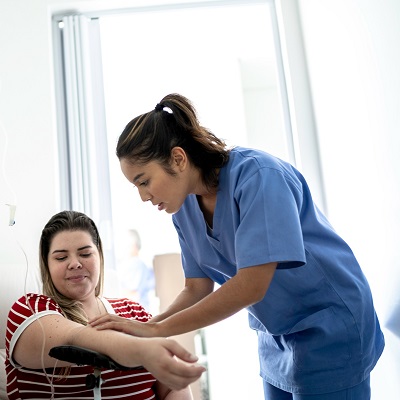
Anemia is a common health condition that occurs when the body does not have enough healthy red blood cells or hemoglobin to carry oxygen effectively to its tissues. Iron plays an essential role in producing hemoglobin, making it an important nutrient for maintaining normal blood function. When iron levels become insufficient, the body may struggle to produce enough healthy red blood cells, potentially leading to fatigue, weakness, and reduced energy.
Understanding Anemia in Dubai involves recognizing the possible causes, identifying symptoms, and seeking appropriate medical assessment. At Dr Barbara, patients can explore the importance of understanding anemia and the role of individualized medical care in identifying the underlying cause.
Understanding the Role of Iron in the Body
Iron is a vital mineral required for the production of hemoglobin, the protein in red blood cells responsible for transporting oxygen from the lungs to the rest of the body. Adequate oxygen delivery supports the normal functioning of muscles, organs, and other tissues.
When the body lacks sufficient iron, hemoglobin production may decrease, resulting in iron-deficiency anemia. However, not every case of anemia is caused by iron deficiency. Vitamin B12 deficiency, folate deficiency, chronic diseases, inherited blood disorders, and blood loss can also contribute to anemia.
Identifying the specific cause is important because treatment depends on the underlying condition rather than the anemia diagnosis alone.
Common Symptoms of Anemia
Symptoms of anemia may develop gradually, and some individuals may experience few noticeable signs during the early stages. As the condition progresses, symptoms may become more apparent and interfere with everyday activities.
Common symptoms include persistent tiredness, weakness, pale skin, dizziness, headaches, shortness of breath during physical activity, and difficulty concentrating. Some individuals may also experience a rapid heartbeat or reduced exercise tolerance.
Iron deficiency can sometimes cause additional symptoms, such as brittle nails, unusual cravings for non-food substances, or a sore tongue. These symptoms are not exclusive to iron deficiency, so medical assessment is important when they occur.
Severe breathlessness, chest pain, fainting, or a racing heartbeat accompanied by significant weakness may require urgent medical evaluation.
Causes and Risk Factors of Iron-Deficiency Anemia
Iron-deficiency anemia can develop when the body does not receive enough iron, cannot absorb it effectively, or loses more iron than it can replace.
Insufficient Dietary Iron
Iron is found in foods such as meat, seafood, legumes, beans, lentils, fortified cereals, and leafy green vegetables. A diet that consistently provides insufficient iron may contribute to deficiency, particularly when the body’s requirements are increased.
Plant-based iron is generally absorbed less efficiently than iron from animal sources. Consuming vitamin C-rich foods alongside plant-based iron sources may help improve absorption.
Blood Loss
Blood loss is a significant cause of iron deficiency. Heavy menstrual bleeding can increase iron requirements, while gastrointestinal bleeding may occur because of conditions affecting the stomach or intestines. In some cases, gastrointestinal blood loss is not immediately noticeable.
Persistent or unexplained blood loss should be investigated rather than managed solely by taking iron supplements.
Increased Iron Requirements
Pregnancy and periods of rapid growth can increase the body’s iron requirements. Individuals who cannot meet these increased needs through their diet may develop iron deficiency.
Reduced Iron Absorption
Certain gastrointestinal conditions and previous digestive tract surgeries can affect iron absorption. Some medications and medical conditions may also influence iron balance, making professional assessment necessary.
The Importance of Anemia Treatment in Dubai
Appropriate Anemia Treatment in Dubai begins with identifying the type and severity of anemia and determining its underlying cause. Treatment should be based on clinical findings, medical history, and relevant laboratory results.
For iron-deficiency anemia, a healthcare professional may recommend oral iron supplements and dietary adjustments. Intravenous iron may be considered in selected circumstances, such as when oral treatment is not tolerated, is ineffective, or cannot meet the patient’s needs.
If anemia is caused by another nutritional deficiency, chronic disease, blood loss, or an inherited condition, a different treatment approach may be required. Treating the underlying cause is essential for achieving sustained improvement.
Patients should avoid taking high-dose iron supplements without appropriate guidance because excessive iron can be harmful and may delay the diagnosis of other medical conditions.
How Anemia Is Diagnosed
Anemia is commonly assessed through blood tests, including a complete blood count. This test measures hemoglobin levels and provides information about red blood cell characteristics.
When iron deficiency is suspected, additional tests may include ferritin, which reflects iron stores, and other iron studies. Depending on the findings, a healthcare professional may also recommend vitamin B12, folate, kidney function, or other investigations.
The appropriate tests depend on the patient’s symptoms, medical history, age, and risk factors. Identifying the cause may require further investigation, particularly when anemia is severe, recurrent, or associated with unexplained blood loss.
When to Consult an Anemia Doctor in Dubai
Consulting an experienced Anemia Doctor in Dubai can help individuals understand persistent symptoms and determine whether further testing is necessary.
Medical advice is particularly important when fatigue continues despite adequate rest, breathlessness develops during routine activities, or blood tests show low hemoglobin or abnormal iron levels. Individuals with heavy menstrual bleeding, digestive symptoms, or unexplained blood loss should also seek assessment.
At Dr Barbara, a medical consultation can help patients understand their symptoms, review relevant test results, and discuss appropriate next steps based on their individual circumstances.
Dietary Strategies to Support Healthy Iron Levels
Nutrition can contribute to maintaining healthy iron levels and supporting recovery from iron deficiency. Iron-rich foods include lean meat, poultry, seafood, lentils, beans, tofu, fortified cereals, and leafy green vegetables.
Combining plant-based iron sources with foods rich in vitamin C, such as citrus fruits, berries, tomatoes, and bell peppers, can improve the absorption of non-heme iron.
Tea and coffee consumed alongside iron-rich meals may reduce iron absorption in some circumstances. People receiving iron treatment should ask their healthcare professional or pharmacist about the best timing for supplements and whether any dietary adjustments are appropriate.
Although dietary improvements can support health, food alone may not correct established iron-deficiency anemia, particularly when the deficiency is significant or ongoing blood loss is present.
Monitoring Recovery and Preventing Recurrence
Recovery from anemia depends on its cause, severity, and response to treatment. When iron deficiency is treated, hemoglobin levels may improve before the body’s iron stores are fully replenished.
Follow-up blood tests can help assess whether treatment is working and determine how long it should continue. Patients should follow their prescribed treatment plan and avoid stopping supplements prematurely without medical advice.
Preventing recurrence may involve addressing heavy menstrual bleeding, investigating gastrointestinal blood loss, managing an underlying condition, or improving dietary iron intake. Regular monitoring may be appropriate for individuals with ongoing risk factors.
Frequently Asked Questions
What is the most common cause of anemia?
Iron deficiency is a common cause of anemia, but other causes include vitamin B12 or folate deficiency, chronic diseases, blood loss, and inherited conditions. Medical assessment helps determine the specific cause.
Can iron deficiency cause tiredness?
Yes. Iron deficiency can reduce the body’s ability to produce sufficient hemoglobin, limiting oxygen delivery to tissues and contributing to tiredness, weakness, and reduced exercise tolerance.
How is iron-deficiency anemia treated?
Treatment may involve oral iron supplements, dietary adjustments, or intravenous iron in selected cases. The appropriate approach depends on the severity of the deficiency, tolerance of treatment, and underlying cause.
How long does anemia treatment take?
The duration varies according to the cause and severity of anemia. Blood counts may improve over several weeks, while replenishing iron stores can take longer. Follow-up testing helps guide treatment duration.
Can anemia be prevented through diet?
A balanced diet containing iron-rich foods can help reduce the risk of dietary iron deficiency. However, some causes of anemia require medical treatment, and diet alone cannot prevent every type.
Conclusion
Iron is essential for hemoglobin production and effective oxygen transport throughout the body. Recognizing the symptoms of anemia, understanding its possible causes, and obtaining appropriate blood tests can help individuals receive timely and effective care.
Through Dr Barbara, individuals can explore the importance of medical assessment, personalized treatment, and ongoing monitoring when addressing anemia. A comprehensive approach that identifies the underlying cause and supports healthy iron levels can help improve well-being and reduce the risk of recurring deficiency.