
What Angelfish Traits Matter Most When Choosing Marine Pets?
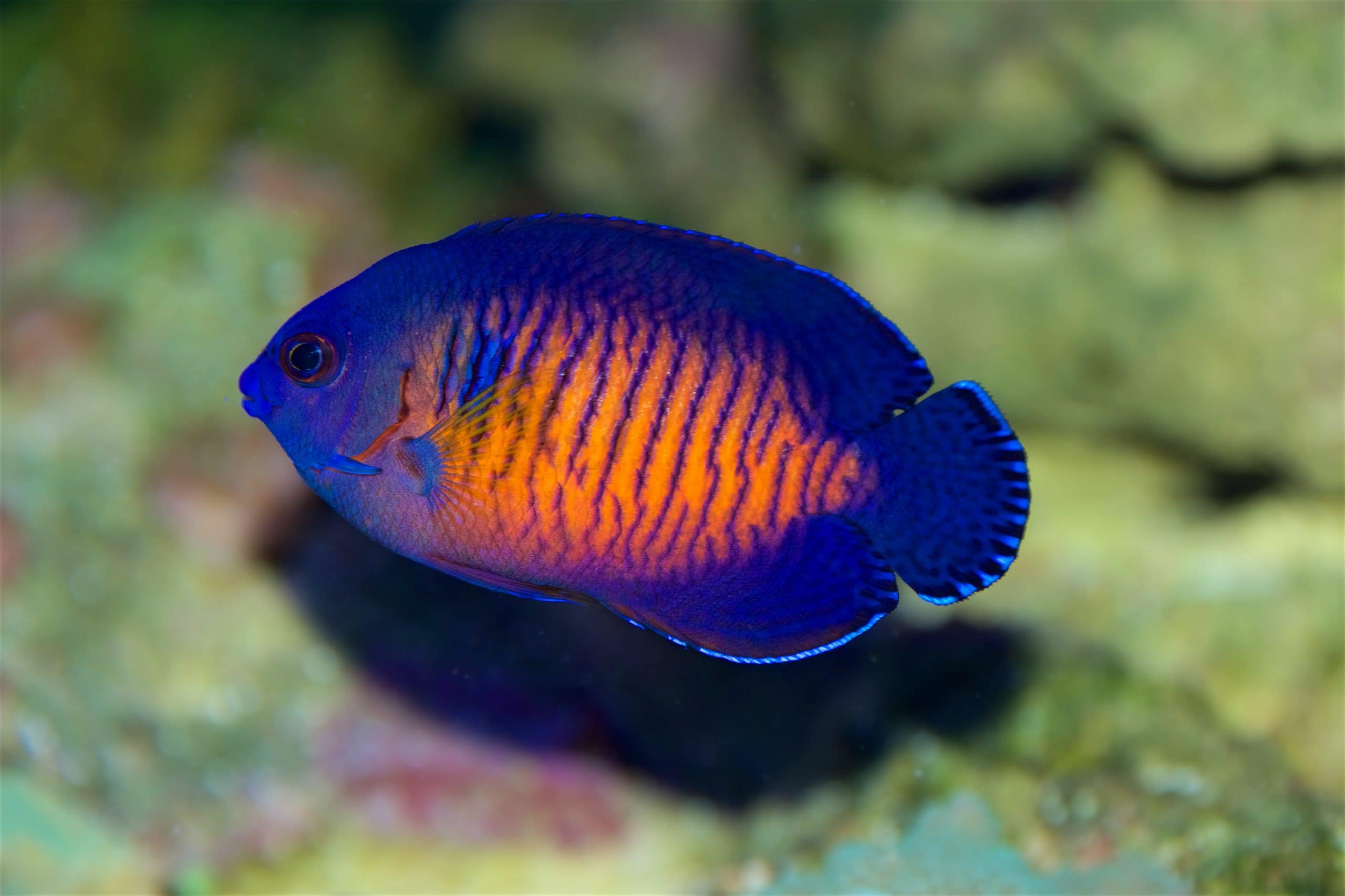
Angelfish are admired for their vibrant colors and graceful swimming patterns, making them ideal additions to marine aquariums. Coral Beauty Angelfish for Sale are especially popular for hobbyists seeking visually striking species. Understanding angelfish traits before purchase is crucial for a balanced and thriving tank. Traits such as size, behavior, diet, coloration, and compatibility directly affect their health and interaction with other marine life. Careful research ensures that selected angelfish can coexist peacefully and flourish, offering both aesthetic appeal and long-term enjoyment for aquarists of all experience levels.
Size and Growth Patterns
Angelfish species vary in adult size, with some, like the Coral Beauty, reaching six inches, while larger species, such as Emperor Angelfish, grow up to 15 inches. Knowing growth patterns helps aquarists determine appropriate tank size and layout. A fish that outgrows its tank may experience stress, aggression, or health issues. Observing juvenile growth rates ensures a sustainable setup and avoids overcrowding. Proper planning allows angelfish to swim freely, establish territories, and develop naturally. Understanding their growth dynamics helps maintain harmony, supports physical development, and ensures a visually balanced marine aquarium.
Coloration and Patterns
Angelfish coloration is not just aesthetic; it reflects health and genetics. Vibrant hues indicate a well-nourished fish with strong immunity. Patterns vary among species, influencing compatibility with other tank inhabitants. Some species undergo subtle color changes as they mature, which is normal. Observing these traits helps aquarists identify healthy individuals and avoid potential conflicts in shared tanks. Choosing angelfish with stable, striking patterns contributes to a visually engaging environment. Proper nutrition, water quality, and lighting help preserve natural coloration, making the aquarium more vibrant and maintaining the fish’s overall vitality.
Temperament and Behavior
Temperament varies widely across angelfish species. Some are peaceful, blending well with other fish, while others may be semi-aggressive or territorial. Observing behavior is essential for tank compatibility. Aggressive tendencies often require additional hiding spots or careful pairing with less dominant species. Stress signs include fin nipping, hiding excessively, or chasing tank mates. Understanding natural behavior ensures a harmonious community, reduces injury risks, and allows aquarists to anticipate conflicts. Proper selection based on temperament and careful monitoring supports long-term tank stability and creates a peaceful, balanced environment where angelfish can thrive alongside other marine species.
Diet and Feeding Habits
Angelfish require a diverse diet to maintain health and vibrant coloration. Common foods include pellets, flakes, frozen seafood, and live options like brine shrimp. Feeding routines should be consistent, typically two to three small portions daily, preventing overfeeding or nutrient deficiencies. Balanced nutrition supports growth, strengthens immunity, and reduces stress. Certain species may prefer specific food types, requiring observation and adjustment. Providing dietary variety mimics natural foraging, encourages active behavior, and enhances color vibrancy. Understanding feeding habits ensures angelfish remain healthy, attractive, and energetic, contributing to a lively, visually appealing aquarium ecosystem.
Tank Requirements and Compatibility
Angelfish thrive in stable water conditions, with temperature ranging between 72–82°F, pH around 8.1–8.4, and proper salinity. Adequate filtration and regular maintenance prevent water quality issues. Tanks should offer enough swimming space and hiding spots, using live rocks or coral for enrichment. Species selection influences compatibility, as aggressive fish require careful pairing to avoid conflicts. Observing interactions and providing proper tank décor ensures both comfort and territory for each fish. Well-planned aquariums allow angelfish to display natural behaviors, reduce stress, and foster a balanced ecosystem that benefits all inhabitants.
Health and Disease Resistance
Angelfish are susceptible to common marine diseases, such as marine ich, bacterial infections, and parasitic outbreaks. Quarantining new arrivals prevents spreading illness to existing stock. Healthy angelfish display bright colors, clear eyes, and active swimming, while stressed fish may hide, lose color, or show fin damage. Regular observation, optimal diet, and stable water parameters reduce disease risks. Prompt treatment of illness ensures long-term vitality. Knowledge of disease resistance and preventive measures allows aquarists to maintain a flourishing aquarium. Attention to health signals contributes to stronger, more resilient fish and a thriving marine environment.
Key Considerations Checklist
Adult size and growth rate
Color vibrancy and pattern stability
Temperament and tank compatibility
Dietary needs and feeding habits
Disease resistance and overall health
Required tank conditions (water parameters, space, décor)
This checklist helps aquarists make informed decisions when selecting angelfish. Following these criteria reduces the risk of stress, aggression, and illness while supporting long-term tank harmony and visual appeal. It also streamlines research for first-time buyers, ensuring all critical traits are evaluated before purchase.
Conclusion
Selecting angelfish with careful attention to size, color, behavior, diet, and compatibility ensures a thriving marine aquarium. Thoughtful choices reduce stress, aggression, and disease while enhancing visual appeal. Observing each species’ traits supports healthier, longer-lived fish and encourages natural behaviors in a balanced environment. Proper planning, tank preparation, and research allow aquarists to enjoy colorful, active angelfish that integrate smoothly with other marine life. Taking the time to evaluate traits promotes successful, rewarding fishkeeping and creates a vibrant, harmonious aquarium for both hobbyists and their marine pets.
FAQs
1. What size tank is ideal for Coral Beauty Angelfish?
A minimum of 55 gallons provides swimming space, supports growth, and prevents overcrowding, ensuring health and longevity.
2. How often should angelfish be fed?
Feed two to three small portions daily. Balanced nutrition maintains color, immunity, and prevents overfeeding.
3. Are angelfish compatible with clownfish?
Peaceful species coexist well with clownfish. Monitoring behavior and tank space ensures harmony.
4. How can I prevent disease in angelfish?
Quarantine new arrivals, maintain water quality, and provide a diverse diet to reduce disease risks.
5. Why do angelfish change colors as they age?
Color changes occur naturally due to maturation, genetics, diet, or stress levels, reflecting health and development.