
How a General Contractor Ensures Quality and Efficiency in Construction
Construction projects require careful planning, skilled professionals, quality materials, and effective coordination. Whether someone is building a new home or upgrading an existing property, managing every detail can quickly become overwhelming. From obtaining permits to scheduling workers and monitoring progress, each stage requires attention to ensure the final result meets expectations. This is where hiring a professional General contractor becomes valuable.
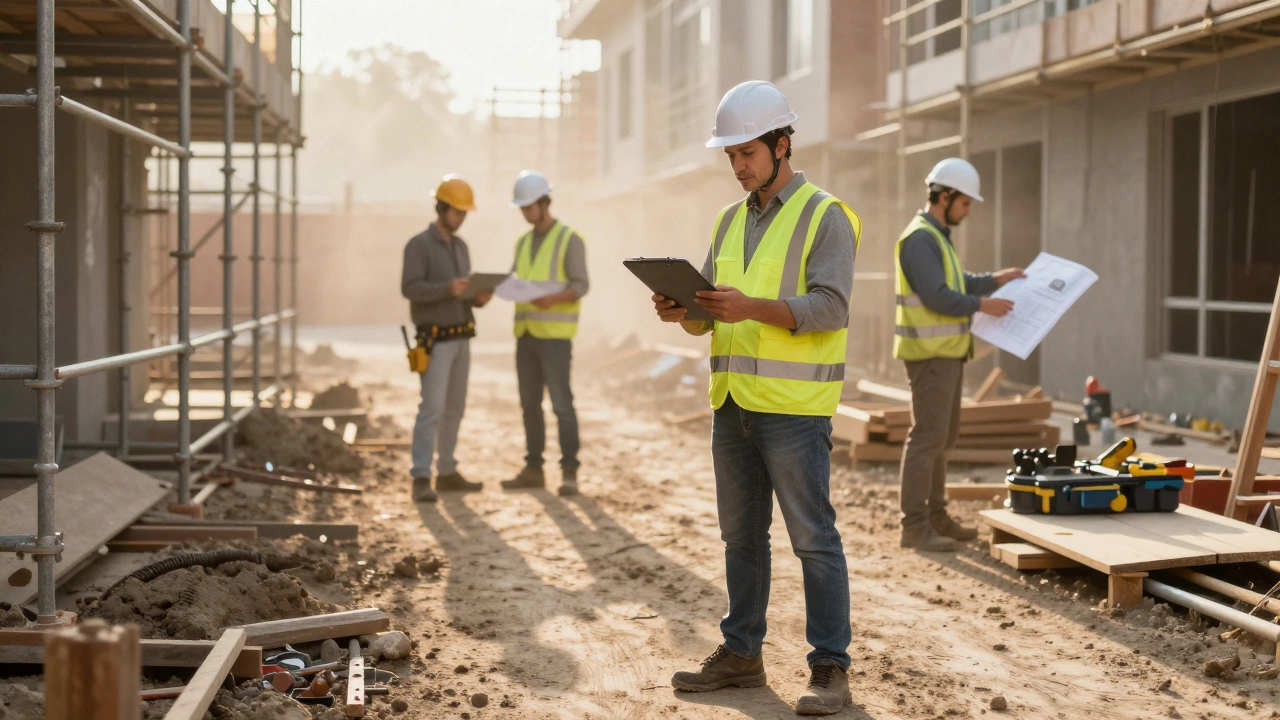
For homeowners in Fort Lauderdale, working with an experienced construction professional can make a significant difference in the overall project experience. Best Choice Remodel & Construction Fort Lauderdale understands the importance of combining craftsmanship, organization, and clear communication to deliver successful results. A reliable contractor helps keep projects on schedule, manages resources responsibly, and ensures that every part of the construction process meets established quality standards.
Understanding the Role of a General Contractor
A general contractor is responsible for overseeing construction projects from the initial planning stage to final completion. Their role involves coordinating different professionals, managing schedules, arranging materials, and monitoring the quality of completed work. Instead of homeowners communicating separately with electricians, plumbers, carpenters, and other specialists, one professional manages the entire process.
This centralized approach reduces confusion and helps maintain consistency throughout the project. A contractor also works with clients to understand their goals, establish realistic budgets, and develop practical construction plans. Whether the project involves a small renovation or a complete property transformation, professional supervision helps ensure that individual tasks are completed correctly and in the proper sequence.
Effective Planning Creates Better Construction Results
Proper planning is one of the most important factors in successful construction. Before work begins, a contractor evaluates the project requirements, discusses the client’s expectations, and identifies potential challenges. This preparation helps establish a realistic timeline and prevents unnecessary complications during construction.
Setting Clear Budgets and Timelines
A detailed project plan outlines expected expenses, labor requirements, material costs, and important milestones. A professional contractor also considers possible delays caused by weather, material availability, or unexpected structural issues. This preparation allows homeowners to make informed decisions and reduces the likelihood of costly surprises.
Organizing Every Construction Stage
Construction tasks must follow an appropriate sequence. For example, plumbing and electrical installations generally need to be completed before certain walls and finishes are installed. Proper scheduling ensures that workers can perform their responsibilities efficiently without interfering with other activities. This organized approach saves time and supports better workmanship.
Maintaining High Standards Through Quality Control
Quality control is essential for creating durable, safe, and attractive structures. A general contractor regularly inspects completed work to confirm that it meets project specifications, applicable building codes, and industry standards. These inspections help identify mistakes early, making them easier and less expensive to correct.
Quality management also includes selecting suitable materials and working with qualified tradespeople. For example, using appropriate waterproofing materials in bathrooms can help prevent moisture damage, while choosing durable flooring can improve a property’s long-term performance.
Rather than focusing only on appearance, an experienced contractor considers structural reliability, functionality, and finishing details. Regular communication with workers and suppliers also helps maintain consistent standards throughout the project. This attention to detail gives homeowners greater confidence in the final results.
Coordinating Construction Services Efficiently
Large and small construction projects often involve several specialized professionals. Managing their schedules and responsibilities can be challenging without proper supervision. A contractor coordinates different Construction Services to ensure that everyone understands their role and completes work according to the agreed schedule.
For instance, a kitchen renovation may require demolition specialists, plumbers, electricians, cabinet installers, and flooring professionals. Each task depends on the successful completion of previous work. Poor coordination can create unnecessary waiting periods and additional expenses.
A general contractor acts as the central point of communication between these professionals and the homeowner. They monitor progress, address scheduling conflicts, and ensure that necessary materials are available when required. This organized management improves productivity and helps projects move forward without avoidable interruptions.
Supporting Custom Home Building Projects
Building a home from the ground up involves numerous decisions, from architectural layouts to structural materials and interior finishes. Custom home building requires close collaboration between homeowners, designers, engineers, and construction professionals.
A knowledgeable contractor helps translate a homeowner’s ideas into a practical construction plan. They consider the property’s layout, intended functionality, available budget, and long-term maintenance requirements. They also coordinate essential construction stages, including foundation work, framing, roofing, electrical systems, plumbing, and interior finishing.
For example, a family may want an open living area, additional storage, and energy-efficient features. A contractor helps coordinate these requirements while ensuring that the design remains practical and compliant with applicable regulations. Consistent oversight helps balance personal preferences with structural requirements and construction quality.
Improving Existing Properties Through Remodeling
Renovation projects require just as much planning and supervision as new construction. An experienced contractor can help homeowners update outdated spaces, improve functionality, and increase the comfort of their properties.
Basement Remodeling
Basement remodeling can transform an underused area into a functional living space, home office, entertainment room, or guest accommodation. However, successful basement improvements require attention to moisture control, ventilation, insulation, lighting, and electrical installations.
A contractor evaluates existing conditions before recommending suitable improvements. Proper waterproofing and drainage considerations are particularly important because moisture problems can damage finishes and affect indoor comfort. Careful planning helps create a basement that is both attractive and practical.
Working With a Bathroom Remodeler
A bathroom renovation involves several technical details, including plumbing, waterproofing, ventilation, tiling, and fixture installation. An experienced Bathroom remodeler understands how these elements work together to create a comfortable and reliable space.
A contractor coordinates the different specialists and checks that essential installations are completed correctly. For example, proper waterproofing beneath tiles can help prevent leaks and long-term structural damage. Attention to lighting, storage, and fixture placement also improves everyday usability.
Hiring a Kitchen Remodeler
The kitchen is one of the most frequently used areas in a home, so its layout and functionality matter. A professional Kitchen remodeler can help improve storage, countertop space, lighting, cabinetry, and appliance placement.
A general contractor manages the renovation schedule and coordinates electricians, plumbers, cabinet installers, and other specialists. This prevents unnecessary delays and ensures that design choices work with the property’s existing systems. The result is a kitchen that supports daily activities while maintaining an appealing appearance.
Managing Costs and Preventing Unnecessary Delays
Construction expenses can increase when materials are wasted, schedules are poorly managed, or mistakes require expensive repairs. A professional contractor helps control these risks through organized purchasing, labor coordination, and continuous project monitoring.
They can compare material options, discuss suitable alternatives, and help homeowners prioritize essential improvements within their budgets. For example, selecting durable materials that require less maintenance may provide better long-term value than choosing products based only on their initial price.
Regular progress updates also allow potential problems to be addressed before they become major setbacks. Although unexpected circumstances cannot always be avoided, effective management makes it easier to respond without disrupting the entire project.
Why Communication Matters Throughout Construction
Clear communication builds trust and keeps everyone informed. Homeowners should understand what work is being completed, which milestones have been reached, and whether any changes are necessary.
A reliable general contractor provides updates, answers questions, and discusses important decisions before implementing changes that may affect the budget or timeline. Written agreements, documented project specifications, and clear payment arrangements also help prevent misunderstandings.
This collaborative relationship is especially valuable when homeowners have specific design preferences or need to make adjustments during construction. When expectations are communicated clearly, contractors can make informed recommendations while keeping the project aligned with its original goals.

Conclusion
A successful construction project depends on more than skilled labor and quality materials. It requires careful planning, consistent supervision, effective coordination, and responsible budget management. A professional general contractor brings these elements together, helping homeowners achieve reliable results while reducing unnecessary stress and delays.
Whether the goal is custom home building, basement remodeling, or upgrading a kitchen or bathroom, choosing an experienced construction partner can make the entire process more manageable. Best Choice Remodel & Construction Fort Lauderdale focuses on the importance of quality workmanship, organized project management, and customer satisfaction. With the right professional guidance, homeowners can transform their construction ideas into functional, attractive, and lasting spaces.
Frequently Asked Questions
1. What Does a General Contractor Do During a Construction Project?
A general contractor manages the overall construction process, including planning, scheduling, hiring subcontractors, coordinating materials, monitoring quality, and overseeing project completion. They also serve as the primary communication point for homeowners.
2. Why Should Homeowners Hire a Professional General Contractor?
Hiring a professional helps reduce the burden of managing multiple workers and construction activities. It also supports better scheduling, budget management, quality control, and compliance with applicable building requirements.
3. Can a General Contractor Handle Both Construction and Remodeling?
Yes. Many contractors manage new construction and renovation projects. Their services may include custom home building, kitchen renovations, bathroom improvements, basement remodeling, and other property upgrades, depending on their expertise.
4. How Can a General Contractor Help Control Construction Costs?
A contractor helps manage expenses through careful planning, material selection, labor coordination, and progress monitoring. Identifying potential problems early can also reduce the likelihood of expensive repairs and project delays.
5. What Should Homeowners Consider Before Choosing a General Contractor?
Homeowners should review experience, relevant licensing, insurance, previous projects, customer feedback, and written estimates. They should also discuss communication practices, project timelines, payment schedules, and the scope of work before signing an agreement.
Read more articles.