
The Complete Homeowner’s Guide to Maintaining a Spotless Residential Property
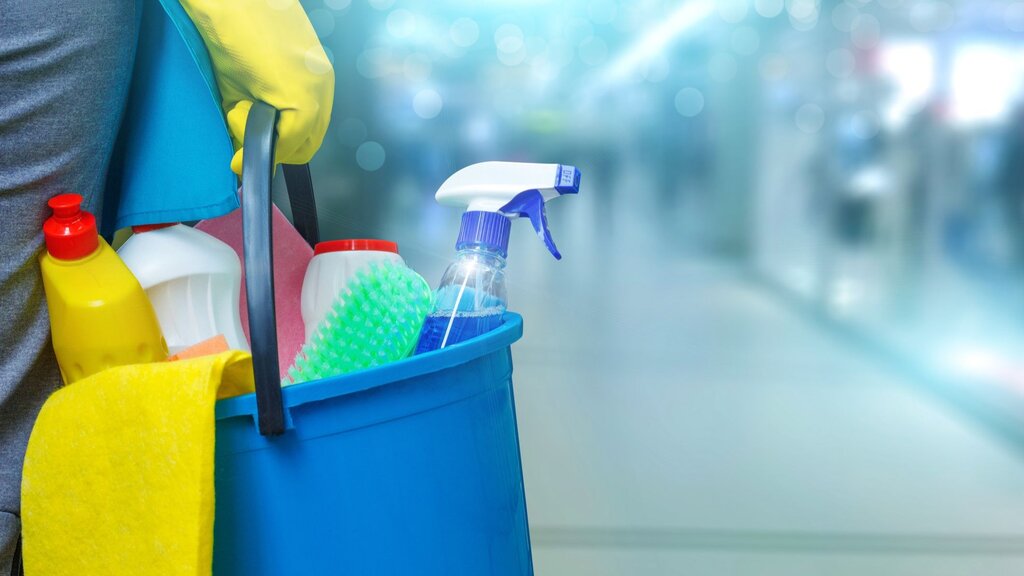
The secret to a home that stays spotless is a system rather than bursts of effort. This guide explains how to build that system, how to deal with the particular challenges of a humid climate, and how to decide which tasks to handle yourself and which to leave to professionals. Follow it step by step and your home will be easier to maintain, healthier to live in and far less stressful to keep tidy.
Why a Spotless Home Needs a System, Not Just Effort
A common mistake is to clean only when a room looks dirty. By that point, grime has already settled into grout, behind appliances and inside fabrics, and removing it takes far more time and stronger products. Regular light maintenance is easier than occasional heavy rescue.
Think of cleaning in three layers. The first layer is daily upkeep, which stops mess from building. The second is a weekly routine that covers the main surfaces and floors. The third is periodic deep care, which deals with the places you cannot reach every week. When all three layers are in place, no single job becomes overwhelming, and the home never drifts far from clean.
Build a Simple Daily and Weekly Routine
Daily tasks should be short enough that you actually do them. Wiping the kitchen counters after cooking, rinsing the sink, putting away items that do not belong in a room and taking out the rubbish takes perhaps fifteen minutes in total. These small habits prevent odours, pests and the sticky build-up that makes weekly cleaning harder.
The weekly routine is where most of the visible work happens. Dust surfaces from top to bottom so that falling dust lands on floors you will clean last. Vacuum carpets and rugs, then mop hard floors. Clean the bathroom thoroughly, including the toilet, basin, shower area and mirror, and change bed linen and towels. A useful tip is to assign each task to a set day, such as bathrooms on Tuesday and floors on Saturday, so the routine runs on autopilot and the work is shared across the week rather than crammed into one exhausting afternoon.
Understand How Climate Affects Your Home
In a tropical climate, cleaning is partly a battle against moisture. High humidity encourages mould on walls, ceilings, window frames and bathroom sealant, and it can settle into mattresses, wardrobes and soft furnishings. During the haze season, fine dust coats window grilles, fans and aircond filters. In the rainy months, damp rooms can start to smell musty within days.
The US Environmental Protection Agency advises that moisture control is the key to preventing mould growth, and that mould should be cleaned promptly once you find it (EPA mould cleanup guide). In practice, that means opening windows on dry days, using exhaust fans while cooking and showering, wiping condensation from windows and keeping wardrobes ventilated. Dry wet towels and mats quickly, and do not leave damp laundry inside a closed room. These small habits do more to protect your home than any product on the shelf.
Know When to Call Residential Cleaning Experts
Even the most organised household reaches a point where professional help makes sense. Residential cleaning experts bring trained teams, commercial equipment and cleaning products suited to each surface, which means they can tackle jobs that household tools simply cannot. Companies such as Malaysia Experts Care offer house cleaning, deep cleaning, post-renovation cleaning and move-in or move-out cleaning for homes across Penang Island and Seberang Perai, which shows how wide the range of professional services has become.
A good time to book help is before a major festival, after renovation work, when moving into or out of a property, or whenever you notice build-up that your usual routine no longer removes. When choosing a provider, ask for a written scope that states how many cleaners will attend, how many hours they will work and exactly what is included. A clear quote and a re-clean policy are signs of a reliable company, and they protect you from surprises on the day. You can learn more about house cleaning and deep cleaning to see which fits your situation.
Keep the Kitchen and Bathrooms Hygienic
The kitchen and bathrooms are where hygiene is won or lost. In the kitchen, grease is the main enemy. It drifts from the hob onto cabinets, the extractor hood and the tiles, and the longer it sits, the harder it becomes to remove. Wipe the area around the cooker weekly, clean the sink and drain regularly, and empty and wipe the fridge every few weeks so that spills and spoiled food never linger. Clean the inside of the oven before burnt residue builds into a thick crust.
Bathrooms need attention to dampness above all. Squeegee or wipe shower screens after use, scrub grout lines gently with a brush before stains deepen, and run the exhaust fan or open a window to let steam escape. Replace silicone sealant when it turns black or starts to peel, because mould that has grown behind it is difficult to remove. Keeping these two rooms consistently clean has the biggest effect on how fresh the whole home feels.
Care for Floors, Sofas and Mattresses
Floors, sofas and mattresses hold more dust than most people realise. Vacuum floors regularly, and use the correct method for each surface, since marble, tile, vinyl, timber and cement all need different products. Avoid too much water on timber and laminate, which can swell. Over time, floors lose their shine, and professional polishing can restore a finish that mopping cannot.
Sofas and mattresses collect dust, sweat, skin cells and spills. Vacuum them every week or two, treat stains quickly by blotting rather than rubbing, and let fabric dry fully after cleaning. Rotating your mattress every few months helps it wear evenly, and airing it in sunlight on a dry day can reduce musty smells. For deep stains, odours or heavy use, professional sofa cleaning and mattress cleaning use hot-water extraction and vacuum equipment to reach deeper than home methods.
Do Not Forget the Aircond
The air conditioner is easy to overlook because the dirt is hidden inside. Dust and moisture collect on the filters and coils, which reduces airflow, can cause a musty smell and may lead to dripping water. For most homes, a general service every three to four months and a chemical wash about once a year works well. Book sooner if the unit cools poorly, drips or smells. You can read more about aircond servicing before you decide what your unit needs.
Between professional visits, you can rinse removable filters gently and let them dry completely before putting them back. A clean aircond works more efficiently, and it keeps the air in your bedroom and living areas fresher.
Plan a Seasonal Cleaning Calendar
The final step is to plan ahead. A seasonal calendar spreads the heavy work across the year so it never piles up. Early in the year, before Chinese New Year, many households do a full top-to-bottom clean of cabinets, fans, windows and curtains. Around Hari Raya and Deepavali, the same applies. Slots with professional teams fill quickly before these festivals, so booking two to three weeks ahead is wise.
Choose a few other anchor points, such as the start of the rainy season for checking mould and the end of haze season for cleaning windows and filters. Write the dates in a phone calendar or on the fridge. A plan you can see is a plan you will follow, and it turns the idea of a spotless home into a manageable habit.
Final Thoughts
A spotless residential property is built from small, steady habits rather than occasional marathons. Keep a short daily routine, schedule a weekly clean, control moisture, give extra attention to the kitchen, bathrooms and aircond, and plan seasonal deep cleans. When a job is too large or too specialised, bring in trained professionals and ask for a written scope so you know exactly what to expect.
Start with one change this week, such as a fifteen-minute daily routine or a booked aircond service, and build from there. If you found this guide useful, share it with a friend or neighbour, or leave your own cleaning tips in the comments below.