
Eye Forceps: Essential Surgical Instruments for Precision and Control
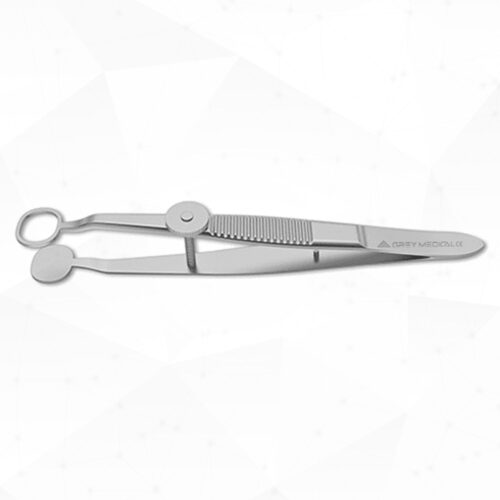
Eye forceps play an important role in ophthalmic procedures because they help surgeons handle delicate eye tissues with accuracy, control, and confidence. Eye surgery requires exceptional precision, as even small movements can affect sensitive structures. Therefore, medical professionals rely on carefully designed Eye forceps that support safe handling and efficient surgical techniques. Whether surgeons perform routine eye procedures or complex operations, selecting suitable instruments helps maintain accuracy throughout the surgical process.
Understanding Eye Forceps and Their Purpose
Eye forceps are specialized surgical instruments designed for use in ophthalmic procedures. Surgeons use them to grasp, hold, position, and manipulate delicate tissues during different types of eye surgeries. Their fine tips allow medical professionals to work within small surgical areas while maintaining controlled movements.
Unlike general surgical forceps, ophthalmic instruments often feature smaller working ends and lightweight designs. Consequently, they provide the precision required when working around sensitive eye structures. Depending on the procedure, surgeons may choose forceps with straight, curved, toothed, or smooth tips.
Moreover, manufacturers develop different designs to meet specific surgical requirements. This variety allows ophthalmologists to select instruments that match their preferred techniques and procedural needs.
Different Types of Eye Forceps
Medical professionals can choose from several types of eye forceps, depending on the surgical application. Each design offers particular features that support specific tasks.
Some commonly used varieties include:
- Colibri Forceps: These instruments feature delicate tips and are commonly used to grasp tissue during ophthalmic procedures.
- Bishop-Harmon Forceps: Surgeons use these fine instruments for precise tissue handling and suturing applications.
- Iris Forceps: These forceps support delicate manipulation of tissue during selected eye procedures.
- Capsulorhexis Forceps: Surgeons use these instruments when performing controlled manipulation of the anterior lens capsule during cataract surgery.
- Fixation Forceps: These instruments help stabilize tissue and maintain positioning during surgical procedures.
Furthermore, each design serves a different purpose. Therefore, choosing the appropriate instrument helps surgeons maintain better control and work efficiently.
Important Features of Quality Ophthalmic Forceps
The quality and construction of eye forceps directly influence their handling and performance. Since ophthalmic surgery involves delicate tissues, instruments must provide reliable control and consistent functionality.
First, precision-engineered tips allow surgeons to grasp small tissue structures with accuracy. Second, an ergonomic handle supports comfortable handling and helps maintain stability during extended procedures. Additionally, balanced construction allows medical professionals to make controlled movements without unnecessary strain.
Material selection also matters. Manufacturers commonly produce surgical forceps from high-quality stainless steel because it offers durability, corrosion resistance, and compatibility with appropriate sterilization processes.
In addition, smooth surface finishing supports proper cleaning and maintenance. Well-designed instruments should also provide consistent alignment between their tips to support reliable handling.
Applications of Eye Forceps in Ophthalmic Surgery
Surgeons use eye forceps in various ophthalmic procedures because different surgical techniques require controlled tissue manipulation. For example, ophthalmologists may use specialized forceps during cataract surgery to handle delicate tissues and assist with specific procedural steps.
Similarly, Eye surgery instruments can support corneal procedures, retinal surgery, and other ophthalmic applications, depending on their design and intended use.
During suturing, certain forceps help stabilize tissue while surgeons position sutures. Meanwhile, fixation instruments can provide support when maintaining tissue positioning is necessary.
However, medical professionals must select instruments according to the requirements of each procedure. Using the correct design supports precision, improves instrument handling, and helps maintain an organized surgical environment.
Cleaning, Sterilization, and Maintenance
Proper instrument care plays an essential role in maintaining surgical quality. After every procedure, medical staff should follow the manufacturer’s cleaning and reprocessing instructions.
First, remove visible surgical debris using approved cleaning methods. Next, inspect the instrument carefully for damaged tips, alignment problems, corrosion, or other signs of wear. After cleaning, follow the recommended sterilization procedure to prepare the instrument for its next use.
Furthermore, staff should store ophthalmic instruments in suitable protective cases or trays. Proper storage helps prevent accidental damage to delicate tips.
Regular inspection also helps identify problems before they affect instrument performance. Therefore, consistent maintenance supports long-term reliability and safe clinical practices.
Choosing the Right Eye Forceps
Selecting suitable eye forceps requires attention to several important factors. Medical professionals should consider the intended surgical application, tip configuration, handle design, material quality, and overall instrument construction.
Additionally, they should evaluate the instrument’s balance and ease of handling. A comfortable design allows surgeons to maintain control while performing delicate tasks.
Working with a dependable surgical instrument manufacturer can also make the selection process easier. Consistent manufacturing standards and careful quality checks help medical professionals choose instruments that meet their clinical requirements.
Why Quality Matters in Ophthalmic Instruments
Ophthalmic procedures demand instruments that support precision, consistency, and dependable handling. Even minor differences in tip alignment or instrument construction can influence how an instrument performs during delicate surgical tasks.
Grey Medical® is a privately owned medical technology company dedicated to innovation and excellence in the craft of surgical instrument. The company recognizes the importance of quality, precision, and thoughtful instrument design in modern medical environments.
By focusing on reliable manufacturing and attention to detail, Grey Medical® aims to support medical professionals with surgical instruments designed to meet demanding clinical requirements.
Conclusion
Eye surgery requires specialized instruments that support accuracy and controlled tissue handling. From cataract procedures to other ophthalmic applications, choosing suitable instruments helps surgeons perform delicate tasks with greater confidence. Understanding different designs, materials, applications, and maintenance practices also helps medical professionals make informed purchasing decisions.
Ultimately, high-quality eye forceps remain an important part of ophthalmic instrument collections. By prioritizing precision, durability, and proper maintenance, healthcare professionals can support efficient surgical workflows and maintain high standards of instrument care.