
How Solar Electricity Installation Helps Reduce Energy Costs
Electricity bills are a regular expense for homes and businesses. With rising energy costs, many property owners are looking for practical ways to manage their electricity consumption and save money over time. Solar energy offers an effective solution by using sunlight to generate electricity for everyday needs.
A well-planned solar electricity installation can help reduce dependence on grid electricity, lower monthly power bills and support a more energy-efficient lifestyle. With the right solar system, homeowners and businesses can make better use of renewable energy while enjoying long-term financial benefits.
What Is Solar Electricity Installation?
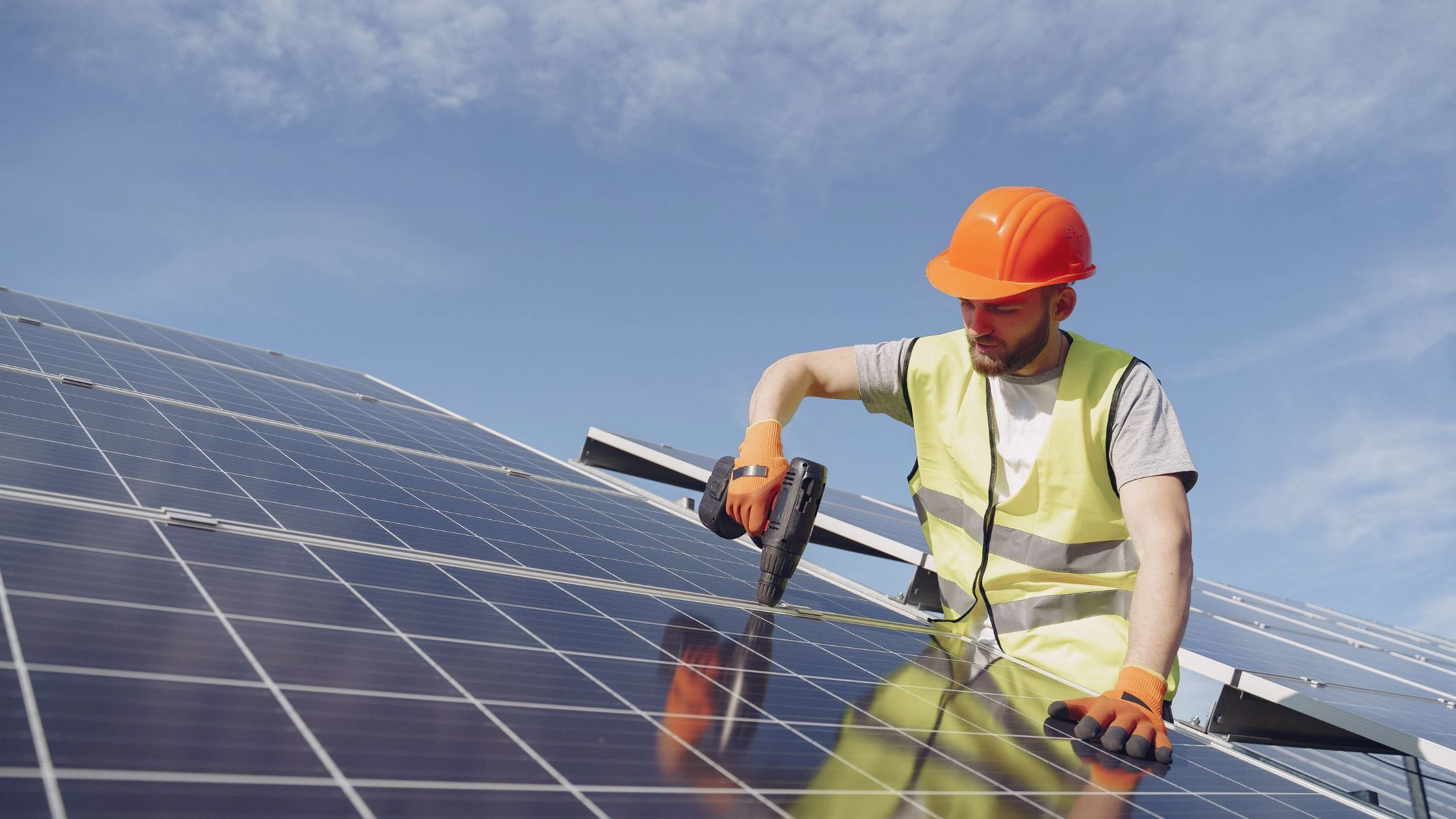
Solar electricity installation involves setting up solar panels and related equipment to convert sunlight into usable electrical energy. Solar panels capture sunlight and generate direct current (DC) electricity. An inverter then converts this electricity into alternating current (AC), which powers common household and business appliances.
A typical solar system includes:
- Solar panels: Capture sunlight and generate electricity.
- Solar inverter: Converts DC electricity into AC electricity.
- Mounting structure: Holds the panels securely in place.
- Electrical wiring: Connects the system components.
- Solar battery: Stores excess energy for later use, if included.
The system size and design depend on electricity consumption, roof space, property layout and energy requirements.
How Solar Electricity Installation Helps Reduce Energy Costs
Switching to solar energy can offer several financial advantages. Here are some important ways it helps reduce electricity expenses.
1. Reduces Dependence on Grid Electricity
One of the main benefits of solar power is that it allows properties to generate their own electricity. Instead of relying entirely on the electricity grid, solar panels produce energy during daylight hours.
Homeowners can use this electricity to operate appliances such as refrigerators, washing machines, lights and air conditioning systems. Businesses can also use solar power for lighting, computers and other electrical equipment.
Using solar-generated electricity can reduce the amount of power purchased from the grid, helping lower regular electricity bills.
2. Helps Manage Long-Term Energy Expenses
Electricity prices can change over time, making household and business budgets difficult to manage. Solar energy provides an opportunity to control a portion of these expenses by generating electricity on your property.
Although installing a solar system requires an initial investment, the savings on electricity bills can help recover the installation cost over time.
The actual savings depend on system capacity, electricity usage, local energy tariffs, sunlight availability and installation costs.
3. Makes Better Use of Daylight Hours
Solar panels generate electricity when sunlight is available. This makes them particularly useful for properties that consume more electricity during the daytime.
For example, businesses operating during regular office hours can use solar energy to power computers, lighting, machinery and cooling systems.
Homeowners can also plan activities such as washing clothes or running certain appliances during peak solar production hours to make better use of the electricity generated.
4. Solar Batteries Can Improve Energy Usage
Adding a battery to a solar system provides another way to manage electricity consumption. A solar battery stores excess electricity generated during the day so property owners can use it later.
For example, stored energy can help power selected appliances during the evening when solar panels are no longer generating electricity.
However, batteries increase the overall installation cost. Property owners should compare their electricity usage patterns and expected savings before choosing a battery system.
5. May Increase Property Appeal
Energy-efficient features can make a property more attractive to potential buyers. A properly installed solar system may appeal to people who want to reduce electricity expenses and use renewable energy.
Although solar panels do not guarantee a higher property value, they can be a useful feature for homeowners planning to improve their property’s energy efficiency.
Important Factors to Consider Before Installing Solar Panels
Before investing in a solar system, it is important to understand your property’s energy requirements. A few important factors can help you make a suitable decision.
Check Your Electricity Consumption
Review your previous electricity bills to understand your average monthly usage. This information helps determine the appropriate solar system capacity for your property.
Evaluate Roof Space and Sunlight
Solar panels need sufficient sunlight to generate electricity efficiently. Check your roof’s condition, available space, direction and possible shading from nearby trees or buildings.
Choose the Right Solar System Size
A system that is too small may not meet your electricity requirements, while an oversized system may increase your initial investment unnecessarily. Choose a system based on your actual energy consumption.
Consider Installation Quality
Professional installation plays an important role in system safety and performance. Choose experienced installers who use suitable equipment, follow electrical safety standards and provide clear information about warranties and maintenance.
Understand Local Solar Regulations
Before installation, check the applicable electricity connection requirements, grid connection rules and available government incentives. These requirements may vary depending on your location and electricity provider.
Is Solar Electricity Installation Worth the Investment?
Solar energy can be a worthwhile investment for homeowners and businesses with suitable roof space and regular electricity consumption.
The financial benefits depend on several factors, including the installation price, system performance, electricity tariffs, maintenance expenses and available incentives.
To understand the potential savings, compare your current electricity bills with the estimated electricity generation from the proposed solar system.
It is also helpful to request a detailed quotation that explains equipment costs, installation charges, expected energy generation and warranty coverage.
A professional assessment can help you understand whether solar power suits your property and budget.
Conclusion
Solar energy offers a practical way to manage electricity expenses while supporting a cleaner and more sustainable future. A properly planned solar electricity installation can reduce dependence on grid power, improve energy efficiency and provide long-term financial benefits for homes and businesses. If you are considering switching to renewable energy, Woden Valley Solar and Electrical can help you explore suitable solar and electrical solutions in Canberra. Choosing the right system and professional installation can help you make a confident investment in your property’s energy future.
Frequently Asked Questions (FAQs)
1. How much can I save with solar electricity installation?
Your savings depend on system size, electricity consumption, sunlight availability, energy tariffs and how much solar electricity you use directly. A professional assessment can provide a more realistic estimate.
2. How long do solar panels last?
Many quality solar panels come with performance warranties of around 25 years. Their actual lifespan depends on product quality, installation and maintenance.
3. Do solar panels work on cloudy days?
Yes, solar panels can still generate electricity on cloudy days. However, their output is generally lower than on clear, sunny days because less sunlight reaches the panels.
4. Do I need a solar battery for my home?
No, a solar battery is not always necessary. A standard solar system can supply electricity during daylight hours. A battery may be useful if you want to store excess energy for evening use.
5. Is solar electricity installation suitable for businesses?
Yes, businesses can benefit from solar systems by generating electricity for daily operations. The right system depends on business energy consumption, roof space and operating hours.