
Ethiopia Medical Treatment eVisa Eligibility and Requirements
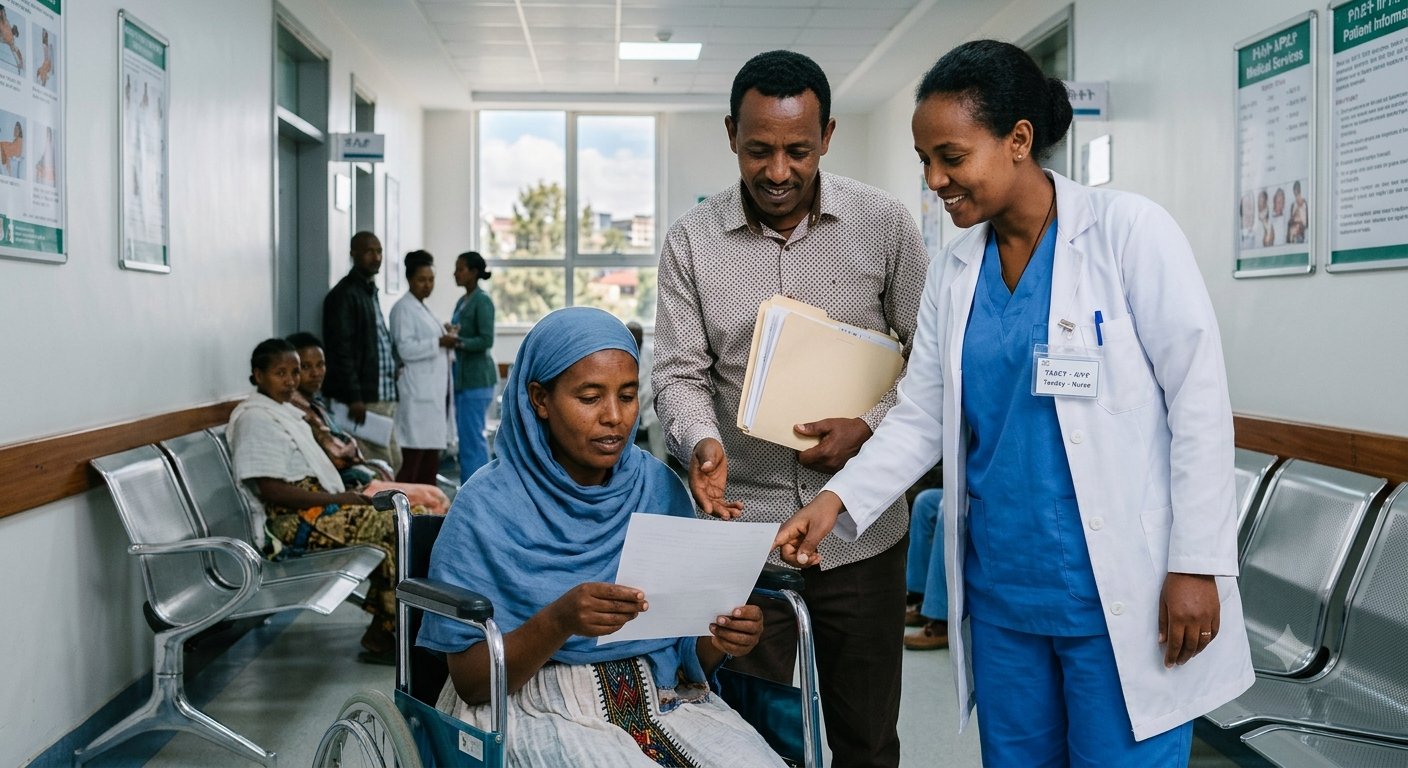
Travelling to Ethiopia for medical care requires proper preparation, including understanding the Ethiopia Medical Treatment eVisa eligibility and requirements. Applicants should prepare a valid passport with at least six months of validity, a recent digital photograph with a clear white background, an invitation letter from an Ethiopian hospital or healthcare institution, and an application letter requesting medical treatment. Before applying, travellers can review the Ethiopia Medical eVisa Online application process, check the available processing options, select a visa validity that matches their planned medical visit, and carefully verify all application details. Keeping the supporting documents accurate and the visa approval accessible can help patients organise their travel and hospital appointments more smoothly.
Which Documents Are Needed for an Ethiopia Medical Treatment eVisa?
Applicants should prepare the required documents before starting their Ethiopia Medical Treatment eVisa application. Clear, accurate documents make it easier to check that the application is complete.
- Valid passport: The passport should have at least six months of validity from the intended travel date.
- Recent digital photograph: Provide a clear photograph with a white background. The face should be visible, with suitable lighting and no distracting shadows or obstructions.
- Hospital invitation letter: Obtain an invitation or confirmation from an Ethiopian hospital or healthcare institution explaining the planned appointment or treatment.
- Application letter: Prepare a letter addressed to the healthcare institution requesting medical treatment in Ethiopia.
How Long Does It Take to Process an Ethiopia Medical Treatment eVisa?
Processing time depends on the selected service option. Applicants should allow enough time for document checks and possible requests for clarification rather than relying entirely on the shortest estimate.
| Processing option | Estimated processing time |
| Normal processing | 5–8 working days |
| Rush processing | 2–5 working days |
| Super-Rush processing | 1–3 working days |
How Long Is an Ethiopia Medical Treatment eVisa Valid?
The Ethiopia Medical Treatment eVisa validity depends on the selected entry type and visa option. Applicants should choose the option that suits their treatment schedule and understand the permitted stay before travelling.
- Single-entry visa: Listed validity of 30 days.
- Multiple-entry visa: Listed validity options of 90 days, 6 months, or 1 year.
- Treatment planning: Choose an option that suits the expected treatment period and whether repeat visits are necessary.
- Permitted stay: Visa validity does not automatically mean you can remain in Ethiopia for the entire validity period.
- Before travelling: Check the conditions stated on the approved visa, including entry limits and permitted stay, and confirm the relevant requirements if treatment may take longer than expected.
Do I Need a Medical Invitation Letter for an Ethiopia Medical Treatment eVisa?
Yes, a medical invitation letter is an important supporting document for an Ethiopia Medical Treatment eVisa. Applicants should request a letter from an Ethiopian hospital or healthcare institution confirming the planned medical appointment or treatment. The letter should include accurate patient details and relevant treatment information to support the purpose of travel. Before submitting the application, check that the invitation letter matches the information on the application form and update the details if the appointment schedule changes.
How Can I Apply for an Ethiopia Medical Treatment eVisa Online?
The online application process can be organised into a few practical steps.
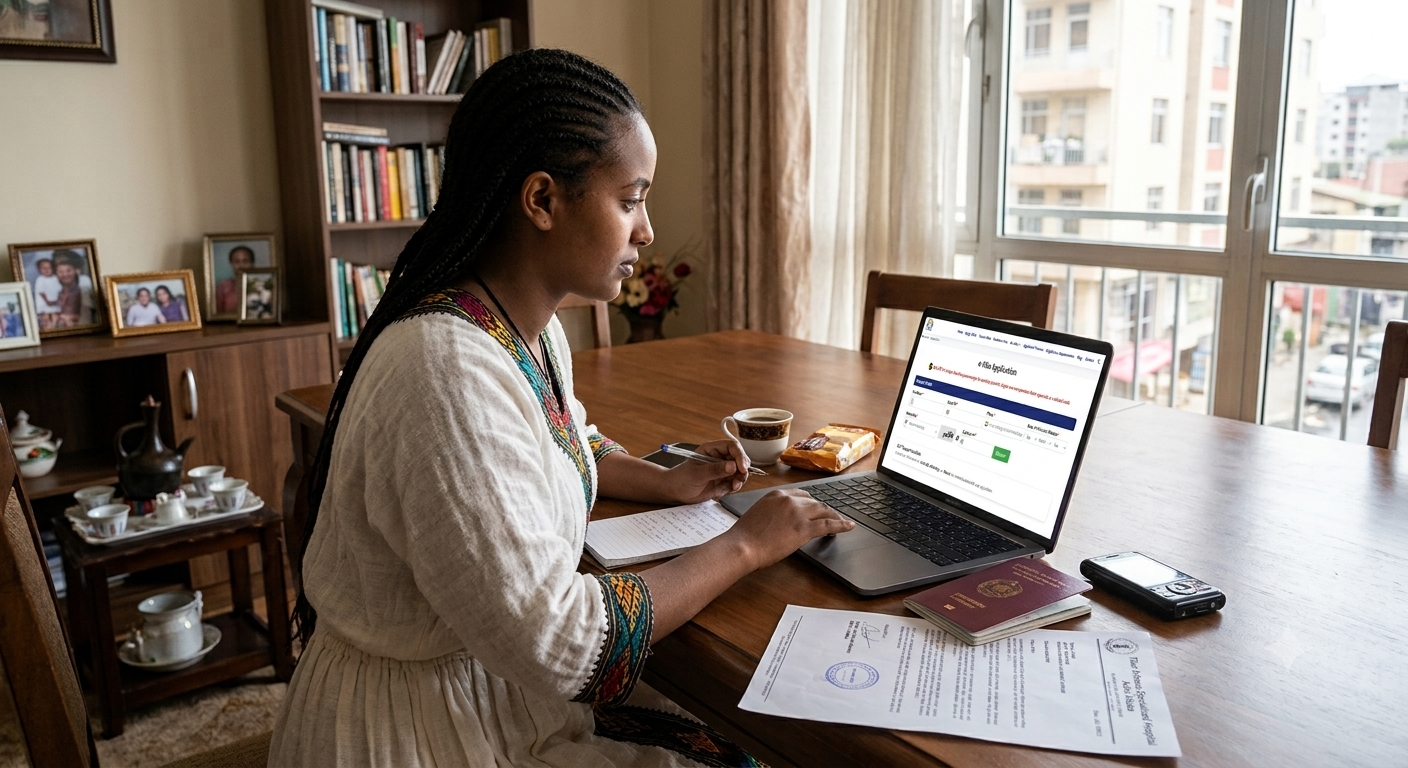
- Complete the application form: Enter the required personal, passport, and travel information.
- Select the medical treatment category: Confirm that the selected visa type matches the purpose of the visit.
- Upload supporting documents: Add the passport scan, photograph, hospital invitation, and application letter.
- Review the information: Check spelling, passport numbers, dates, and uploaded files before submission.
- Pay the applicable fee: Review the selected processing option and total amount before completing payment.
- Wait for the decision: Monitor the registered email address for application updates and the final result.
Can a Family Member Accompany Me for Medical Treatment in Ethiopia?
Yes, a family member can accompany a patient travelling to Ethiopia for medical treatment, provided they meet the applicable entry requirements. The accompanying person should check the appropriate visa category and may need to submit a separate application with their own travel documents. If a child is receiving medical treatment, a parent or legal guardian should prepare the necessary supporting documents. Arranging travel and visa requirements in advance can help families plan hospital visits and provide support throughout the patient’s treatment.
Can I Correct Mistakes in My Ethiopia Medical Treatment eVisa Application?
Mistakes in an Ethiopia Medical Treatment eVisa application can cause delays or complications during processing. Applicants should carefully check all details before submission and contact the application support team if they discover an error.
- Check personal details: Verify your name, date of birth, and passport number.
- Review travel information: Ensure all dates and details are accurate.
- Request corrections: Contact the support team promptly if an error is found after submission.
- Avoid duplicate applications: Confirm the correct procedure before submitting a new application.
How Can I Track My Ethiopia Medical Treatment eVisa Application Status?
Tracking your Ethiopia Medical Treatment eVisa application status helps you stay informed about its progress and respond promptly if additional information is required. Applicants can follow these steps:
- Keep your application details ready: Save your application reference number or order ID and registered email address.
- Check status updates: Review application notifications and emails regularly, including spam and junk folders.
- Respond to requests: Provide any additional documents or corrected information as soon as possible.
- Confirm the final decision: Wait for the official approval notification rather than assuming your eVisa is approved after the estimated processing time has passed.
What Should I Do After Receiving My Ethiopia Medical Treatment eVisa Approval?
After receiving your Ethiopia Medical Treatment eVisa approval, prepare for your medical trip by checking the visa details and confirming your treatment arrangements. Taking the following steps can help you organise your journey smoothly:
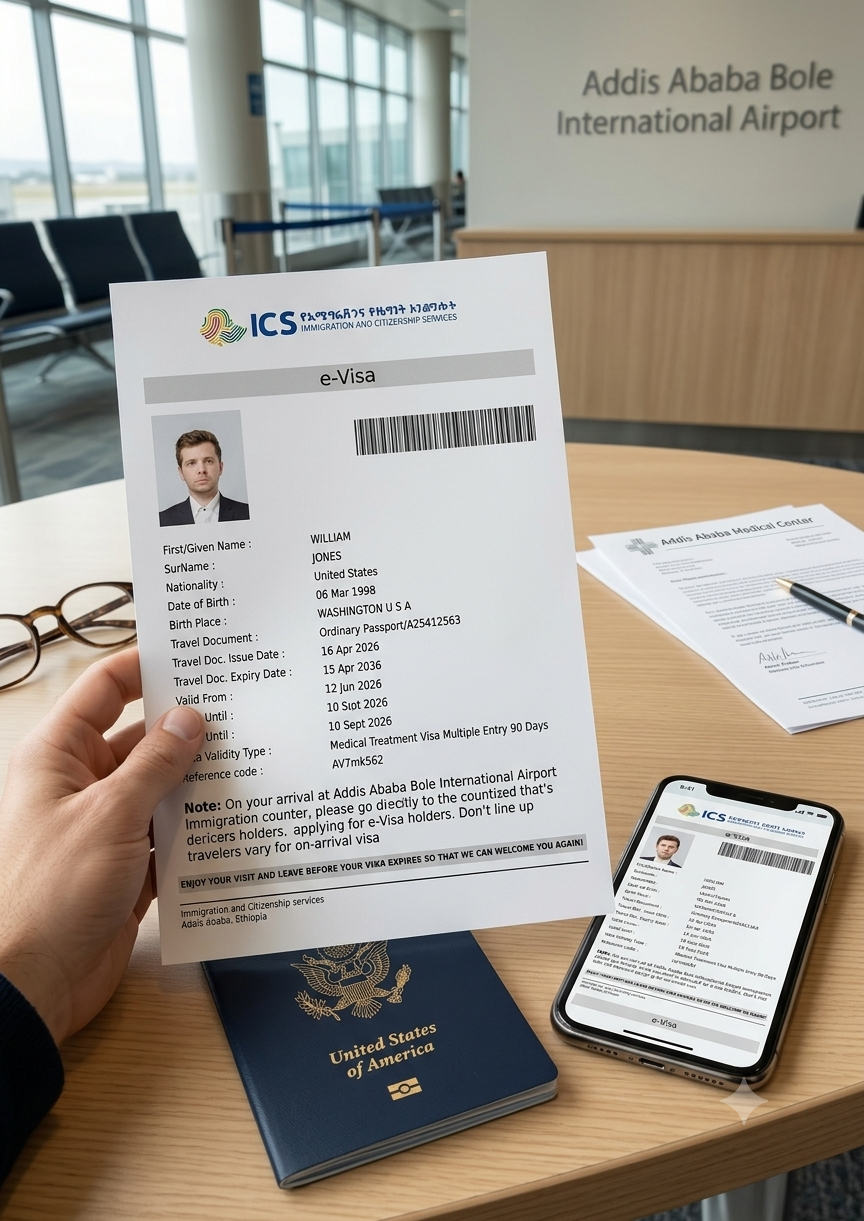
- Verify your eVisa details: Check your name, passport information, visa validity, and entry conditions.
- Save your approval: Keep a digital copy and print a copy to carry with your passport.
- Confirm medical arrangements: Recheck your hospital appointment, accommodation, transport, and treatment schedule.
- Keep hospital contacts handy: Save the hospital’s contact details in case your plans change.
- Check your permitted stay: If your treatment may take longer than your authorised stay, enquire about the applicable extension process before your permission expires.
Conclusion:
Preparing for an Ethiopia Medical Treatment eVisa involves more than completing an online form. Applicants should gather a valid passport, a recent photograph, a hospital invitation letter, and an application letter before submitting their details. They should also compare the available processing options, understand the difference between visa validity and permitted stay, and arrange separate visa documentation for accompanying family members when necessary. Reviewing the application carefully and keeping track of updates can help patients organise their medical journey with greater confidence and fewer avoidable complications.